


Each year on June 5, communities everywhere celebrate World Environment Day, the biggest international day for environmental outreach and awareness. It was first designated in 1973 by the United Nations General Assembly in Stockholm, Sweden, and for more than 50 years, World Environment Day has served as a reminder that it is our responsibility to care for and protect the world’s natural environments. From climate change to biodiversity loss to pollution, the solutions to these issues can be as complex as the challenges themselves. At Bodwé Professional Services Group, we believe that the built and natural environments are deeply connected and that through thoughtful design, we can help communities restore, protect, and reconnect with the environments they call home.
Within the Bodwé Infrastructure Services Branch sits our environmental and water resources engineering team, which works hard to protect ecosystems, improve public access to green spaces, and mitigate our impact on the natural environment. In honor of World Environment Day, Bodwé team members Natalie Paver, Senior Environmental Scientist, and Jeff Guerrero, Project Manager, share the best practices they follow when it comes to environmental and water resource projects. They also highlight several recently completed projects that demonstrate how meaningful, collaborative design can restore natural systems and invite people to immerse themselves in the land and water around them.
Environmental Design in Action
One important aspect to our design approach is the collaboration we engage in at every step of the process. Each Bodwé project is shaped by the communities it serves and the ecosystems it touches. From planning all the way through construction, our team works closely with clients, partners, and regulatory agencies to design solutions that address today’s issues and keep environments safe for future generations.
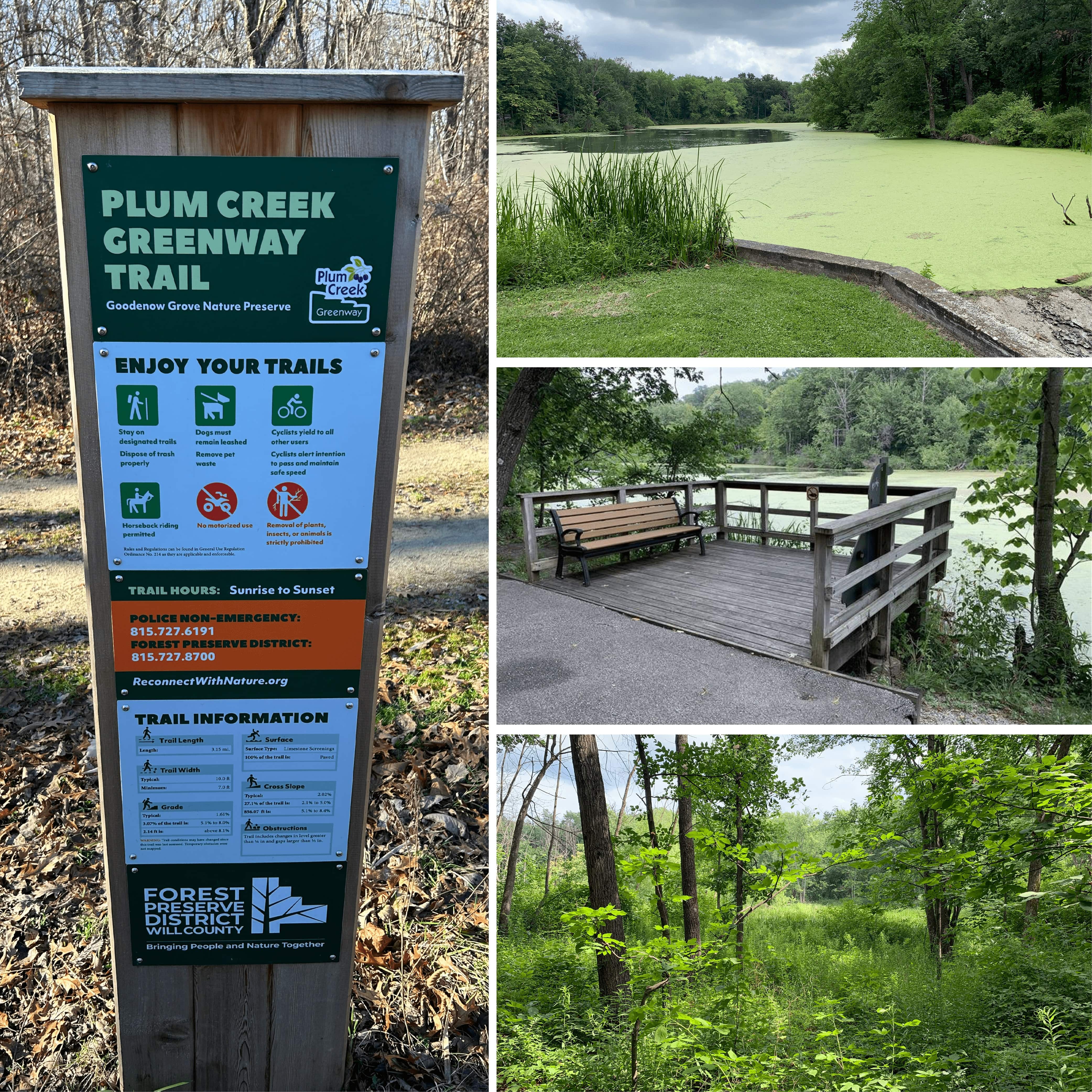
At the Goodenow Grove Nature Preserve in Beecher, Illinois, our team partnered with the Forest Preserve District of Will County (FPDWC) to reimagine a simple wooden overlook into an immersive, educational boardwalk experience at the Plum Creek Nature Center. The new design includes a 90-foot fixed deck with scenic overlook pods and a large floating platform that gives students and visitors the opportunity to interact directly with the pond ecosystem. The team incorporated American with Disabilities Act (ADA) compliant trail connections as well as woodland seeding and tree plantings through careful coordination with FPDWC, Illinois Department of Natural Resources, U.S. Army Corps of Engineers, Will County, and the Will-South Cook Soil and Water Conservation District.
“We also coordinated with an ADA-accessible dock manufacturer to include an immersive floating dock for educational purposes that would allow visitors to safely interact with the water,” says Jeff.
Our belief that everyone should be allowed to experience green and blue spaces is another unique aspect to our environmental project work, one that fuels our passion for improving accessibility where we can. The Four Rivers Kayak Launch slated for construction this year in Will County, Illinois was designed to provide ADA-compliant accessibility to the DuPage and Des Plaines Rivers while minimizing environmental impact. Situated on a river bend, the floating launch includes a diverter dock to guard against debris, ensuring user safety and infrastructure integrity. Led by Bodwé company WBK Engineering, our team completed environmental assessments including wetland delineations, and threatened species reviews, and coordinated an archaeological survey to ensure the design respected sensitive wetlands areas, local species, and historic use of the land.

“We designed the structure to adapt to fluctuating river levels while minimizing environmental disruption,” explains Jeff. “Once constructed, the kayak launch will serve as a durable, low-maintenance community asset that invites safe, sustainable engagement with the rivers.” Construction of the Four Rivers Kayak Launch is set to be completed by the end of 2025.
Another example of how Bodwé integrates environmental protection with community benefit is the Springinsguth Stream Corridor Restoration in Schaumburg, Illinois. The project originated from the Poplar Creek Watershed Study by the Metropolitan Water Reclamation District (MWRD) and grew into a regional flood mitigation and stream enhancement effort that now benefits both the Village of Schaumburg and the Village of Hanover Park. The project realigned 3,250-linear-feet of naturalized stream channel, and reduced flood risk to multiple residential properties. Improvements included realignment and bank stabilization, as well as the addition of engineered riffles to improve aquatic habitat and protect existing infrastructure. Living in the area and working on the project, Jeff recommended adding one small but ultimately meaningful component.

“I noticed people weren’t really interacting with the water, so I suggested that we add a few shallow sloped bank areas to allow kids safe access and promote playing and exploration in the stream,” says Jeff. “It didn’t cost the client anything in terms of budget, but now when I walk by, I see people out there enjoying themselves in nature. That’s when you know your project made an impact.”
Continuing to Learn and Lead
Protecting and restoring the environment requires constant adaptation, as new climate data gets released and technological advances offer new tools. Although it can be challenging, staying up to date with changing environmental regulations is simply part of the job.
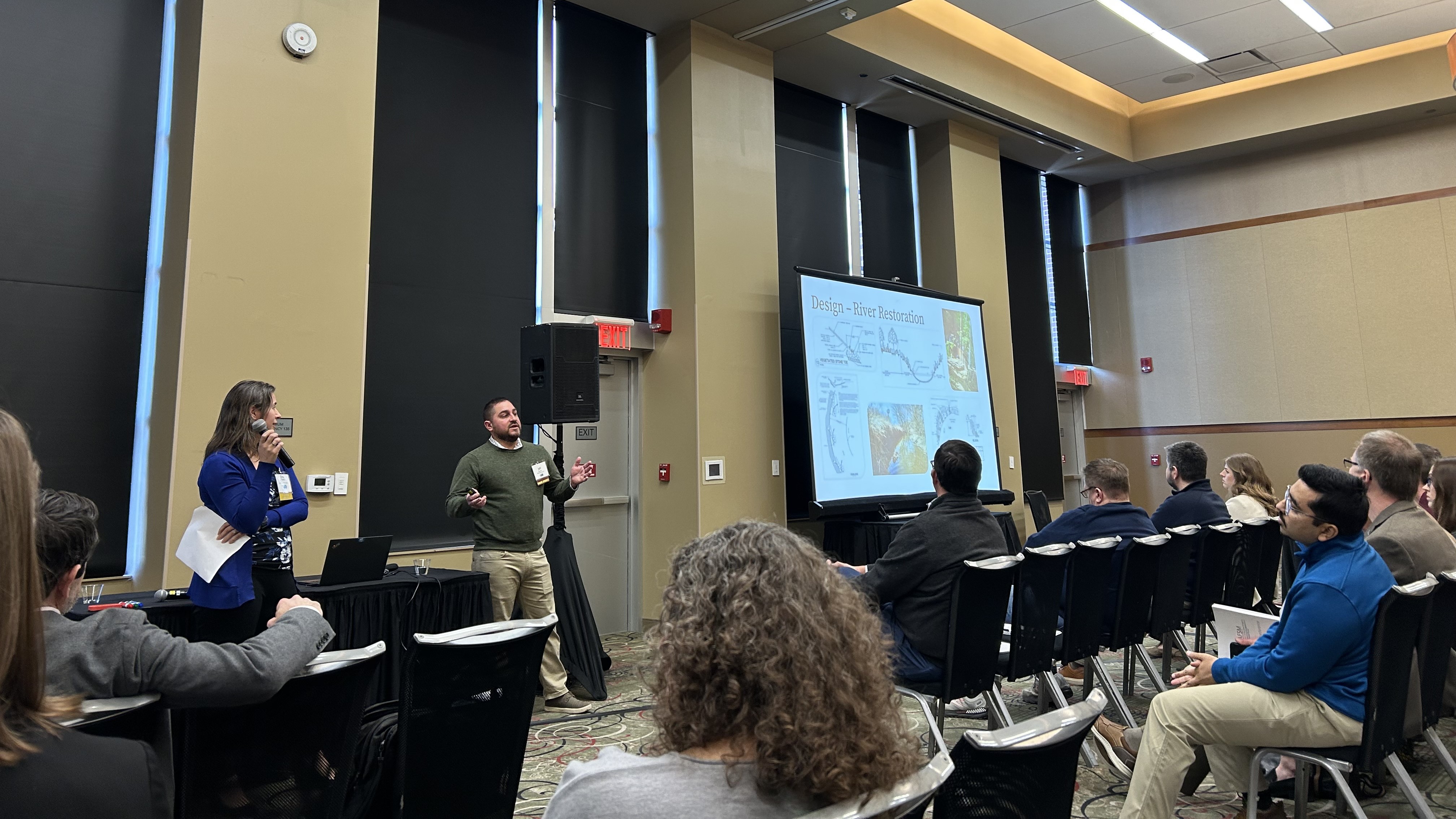
“There are local ordinances, state regulations, and federal guidelines,” says Natalie. “It’s always evolving. We’re constantly checking updates from the U.S. Army Corps of Engineers (USACE) or the Environmental Protection Agency (EPA), and we attend trainings through environmental and engineering groups to try and keep up with it all.”
This summer, Bodwé team members will participate in a virtual EPA-supported workshop on best practices for small, rural, and tribal wastewater systems, a vital area of infrastructure that often struggles with limited funding and staffing. The training covers topics such as proactive maintenance, regulatory compliance, and building long-term system sustainability.
The Infrastructure Services team is also exploring how tools like the 3D-scanning technology used in buildings design can enhance the assessment and mapping of wetlands and other sensitive sites. These tools could allow our team to virtually revisit project sites and may improve our accuracy when identifying endangered species, evaluating topography, or marking features for preservation.
In line with this year’s World Environment Day theme, “Beat Plastic Pollution,” Natalie says our team continues to specify biodegradable erosion control blankets in place of the synthetic ones typically used due to their lower price point. While it may be a small detail, making these decisions aligns with our larger goals of protecting the environments we all live and work in.
As Natalie puts it, “We’re always looking for ways to do better. For our clients, for the environment, and for future generations.”


